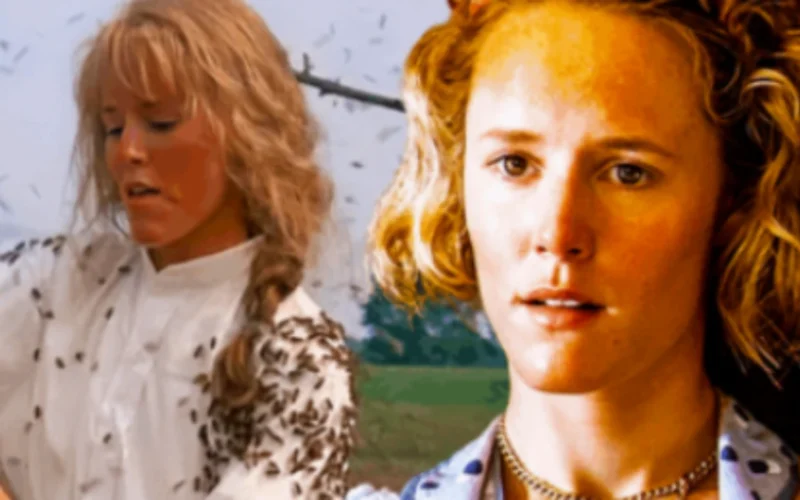
More than 30 years after its release, Fried Green Tomatoes continues to spark debate over one lingering question: was Ninny Threadgoode actually Idgie in disguise?
The film never gives a clear answer, but it offers plenty of clues. Ninny’s deep, almost personal knowledge of Idgie’s life goes beyond what a relative might know. She recounts events, emotions, and private moments with a level of detail that feels firsthand rather than secondhand.
One of the strongest hints comes near the end of the film. After Ninny disappears, Evelyn visits Whistle Stop and finds a jar of honey with pecans-something closely tied to Idgie’s past. The implication is that someone who knew Evelyn-and Idgie’s traditions-left it behind. This detail subtly suggests that Ninny and Idgie could be the same person.
There’s also a telling moment when Evelyn remarks that Ninny must have known Idgie better than anyone. Ninny simply smiles and replies, “I guess I did.” The line, paired with her expression, feels like a quiet acknowledgment of a hidden truth.
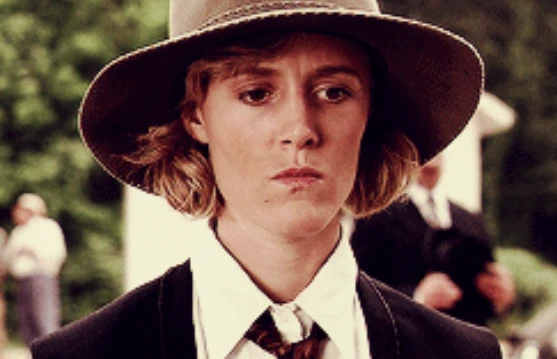
If Ninny is Idgie, her decision to conceal her identity may reflect the time she lived in. Idgie was a rebellious woman who defied social norms, and living under a different identity later in life may have offered safety and peace. Through storytelling, she could preserve her past without fully exposing it.
However, the original novel presents Ninny and Idgie as separate characters, even if some ambiguity remains. Author Fannie Flagg herself has embraced the mystery, encouraging audiences to interpret it in their own way.
Ultimately, whether Ninny is Idgie or simply a devoted storyteller may not matter. What matters is the impact of her stories—especially on Evelyn, whose life is transformed by hearing them.
The film’s power lies in that ambiguity. It’s less about solving the mystery and more about what the story represents: memory, identity, and the quiet ways people pass on courage and resilience.