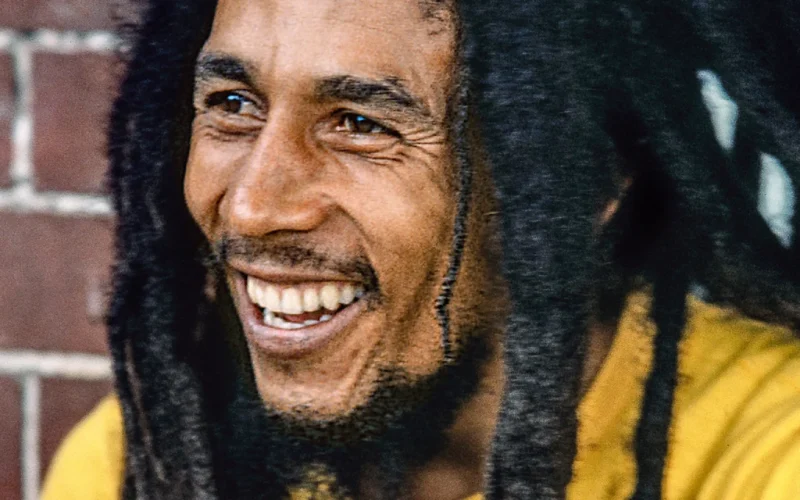
Bob Marley, the legendary reggae pioneer from Jamaica, transformed music into a global voice for unity, resistance, and identity. His songs carried messages of love, freedom, and justice far beyond the Caribbean.
Born in Nine Mile in 1945, Marley faced poverty and hardship early, losing his father at ten. Music became his refuge, leading him to form the Wailers with Bunny Wailer and Peter Tosh.
International fame arrived in the 1970s with albums like Catch a Fire and Exodus, blending reggae with rock influences. Hits such as “No Woman, No Cry” made Marley a worldwide cultural icon.
Beyond music, Marley championed Rastafarian beliefs, African unity, and social justice. Surviving a 1976 assassination attempt, he continued performing, proving his unwavering commitment to peace despite violence and political turmoil.
Diagnosed with aggressive melanoma, Marley refused amputation for religious reasons. He died in 1981 at only 36, leaving a timeless legacy as reggae’s greatest ambassador and a symbol of hope worldwide.
If You Want More Information, Watch This Video Below: